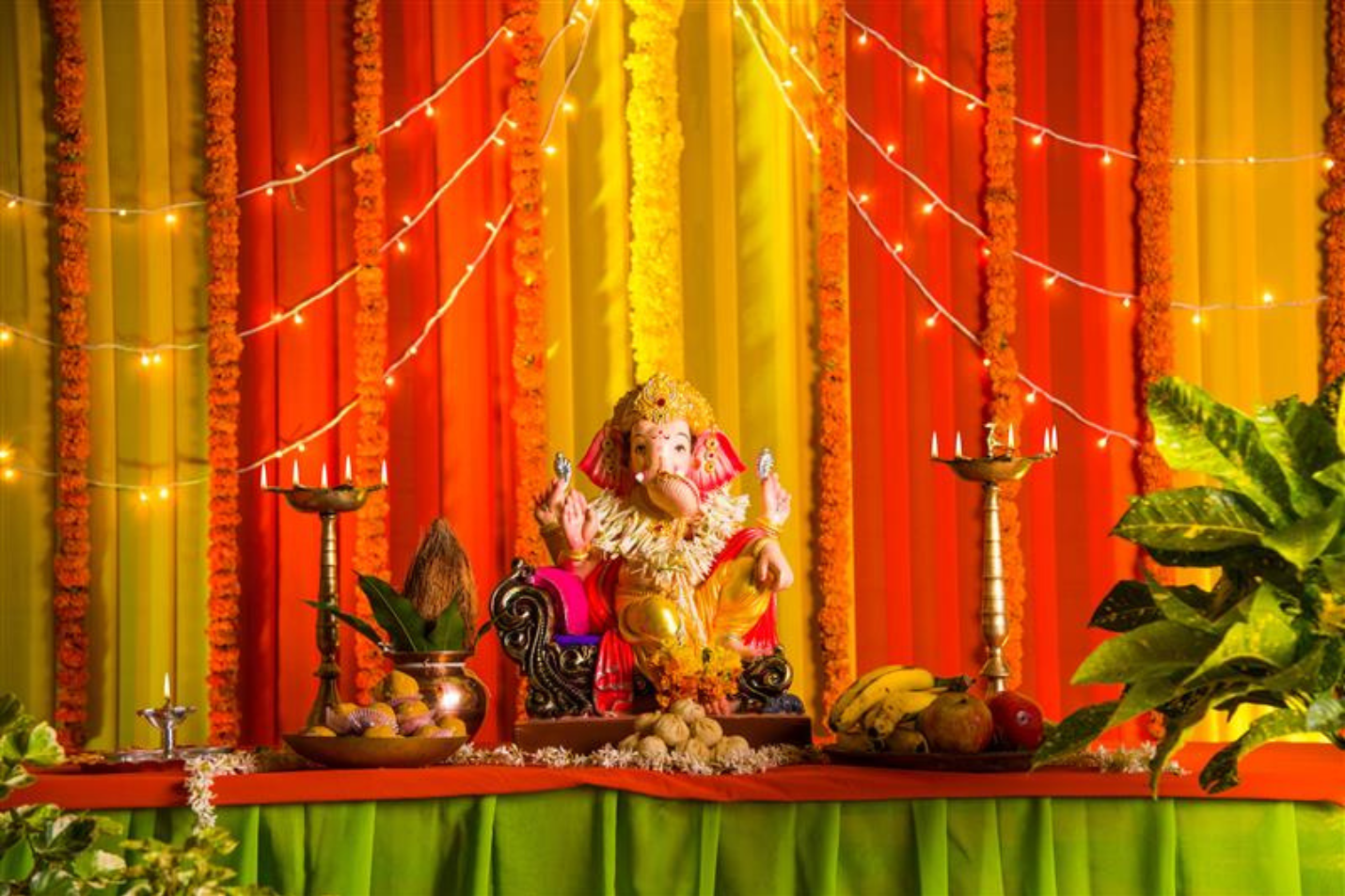
Easy Mandir Cleaning Tips for Indian Households
Cleanliness brings the blessing of Goddess Lakshmi.
A clean mandir does more than improve the aesthetics. It creates a peaceful environment where one would want to pray and reflect. In fact, in Hindu tradition, keeping the pooja room clean is linked with purity and the presence of the divine. For every believer, the temple is not just another corner to dust, but a sacred space that signifies respect for the divine and symbolizes clearing negativity from the mind and home.
However, a mandir collects dust easily. Be it ash, oil residue, dry flowers, or the lost shine of idols. Regular cleaning removes all of them, keeping the space hygienic for daily pooja and creating a calm spiritual atmosphere.
Thankfully, the job is not as tough as it sounds. Here are a few easy Temple cleaning tips that keep the space fresh and abundant with blessings.
Easy Temple Cleaning Tips
1. Light Regular Cleaning
If you avoid deep cleaning stress, just do a quick regular checkup that will hardly take 10 minutes.
· Remove dry flowers, used cotton for holy flame, ash, incense sticks, matchsticks, and any leftovers.
· Gently dust the shelves, lights, frames, pillars, idols, and exterior using a dry microfiber cloth.
· Wipe down the altar surface, including the wall, floor, cabinet, or decor.
· Clean the diya before placing a fresh wick.
· Sprinkle Ganga Jal to remove negativity.
These small things are often overlooked, making the pooja room look cluttered. Doing these steps regularly will help you remove dust before it settles down. It keeps the space hygienic and cuts the need for heavy scrubbing later.
2. Cleaning Mandir Metals
While surface-level mandir cleaning is easy, the task remains with the metals, especially idols and frames. They are what make the place holy and, of course, the most delicate part of cleaning. But here’s a little help besides using a cloth:
· Brass: Diyas, idols, bells, and vessels are usually made of brass. To clean these essentials, rub them with toothpaste using a brush or lemon and baking soda to maintain the shine.
· Copper: Some common copper items in the pooja room are kalash, Lota, Panchpatra, and Achamani. Clean them using natural ingredients like tamarind pulp, vinegar-baking soda paste, or lemon and salt. Dry them immediately using soft cloth.
· Silver: Many people have idols and thali made of silver, especially antique ones. For them, rub a toothpaste or lemon-salt for 3-5 minutes. But the best option is to
soak them for 10-15 min in hot water mixed with baking soda and salt. Line it with aluminum foil, shiny side facing up
3. Cleaning Marble
Ignoring marble mandir or marble idols while cleaning can lead to permanent staining, etching, and scratches. To prevent its luxurious aesthetic appeal:
· Wipe with a soft, damp cloth.
· Use a mild, non-acidic solution, not harsh chemicals like lemon or vinegar.
· To remove a marble stain, apply a baking soda-water paste and cover with plastic wrap for 1-2 days.
Using harsh chemicals can damage the natural luster and polish of the stone. Also, do not place heavy or sharp objects directly on the marble to avoid chipping and scratching.
4. Cleaning Glasses
Glass items like frames or lamps are an important part of the pooja room. They are traditionally associated with purity, truth, and transparency. Here’s how to enhance the divine atmosphere:
· Use a dry microfiber cloth to dust off the glass daily.
· Spray a cleaner onto a cloth and wipe the glass weekly.
Glasses are fragile. Always handle them with care. Moreover, it is spiritually recommended not to keep broken or cracked glass in the mandir as it can obstruct positive energy.
5. Cleaning Wood
Mandirs or chowki at home are usually made of wood or marble. Neglecting to clean wood can cause it to lose its integrity. To preserve the longevity of the wood:
- Regularly dust the mandir with a microfiber cloth.
- Use a lukewarm water and soap solution on slightly dampened fabric for deep cleaning.
- Check for wood pests every 2-3 months. Treat immediately if required.
Do not use a wet cloth on wood. In addition, make sure that agarbatti or dhoop leaves no smoke stain, especially if you have an enclosed or wall-mounted wooden mandir
6. Weekly Deep Cleaning
A weekly deep clean keeps the mandir from becoming difficult to maintain and restores the brightness. Every weekend, take out some time so it becomes part of the household routine.
· Remove all movable items like the thali, bell, frames, idols, and more.
· Dust each of them individually.
· Clean the exterior, like shelves, corners, and base.
· Empty the drawers and wipe them too.
· Organize the drawers. Keep unused items away.
· Replace and wash existing clothes and mats.
How to Maintain Mandir Effectively
· Avoid harsh scrubbing and heavy chemicals. Use mild, basic solutions.
· Do not overflow the mandir with floral offerings.
· Ensure cleaning the area surrounding the temple, including walls, shelves, floor, switchboard, decor, or cabinets.
· Keep the space smelling fresh and pleasant.
· Use small ghee containers with a lid to avoid spills and dust.
· Wash the pooja thali daily.
· Avoid using the mandir area for storage.
Takeaway
Mandir holds aesthetic, emotional, and spiritual value in Indian households. Its cleanliness reflects reverence, care, discipline, and devotion. Keeping it clean and hygienic maintains its sanity and purity.
But mandir cleaning does not have to feel like another household chore. While you’re at it, you will feel calmer and more devoted. Even a few minutes spent in mandir seva can bring peace to your place. And all of this doesn’t require much, just a few consistent, simple hacks.
Decluttering daily, deep cleaning weekly, using gentle products, and handling fragile things carefully are enough to keep the mandir neat and welcoming.