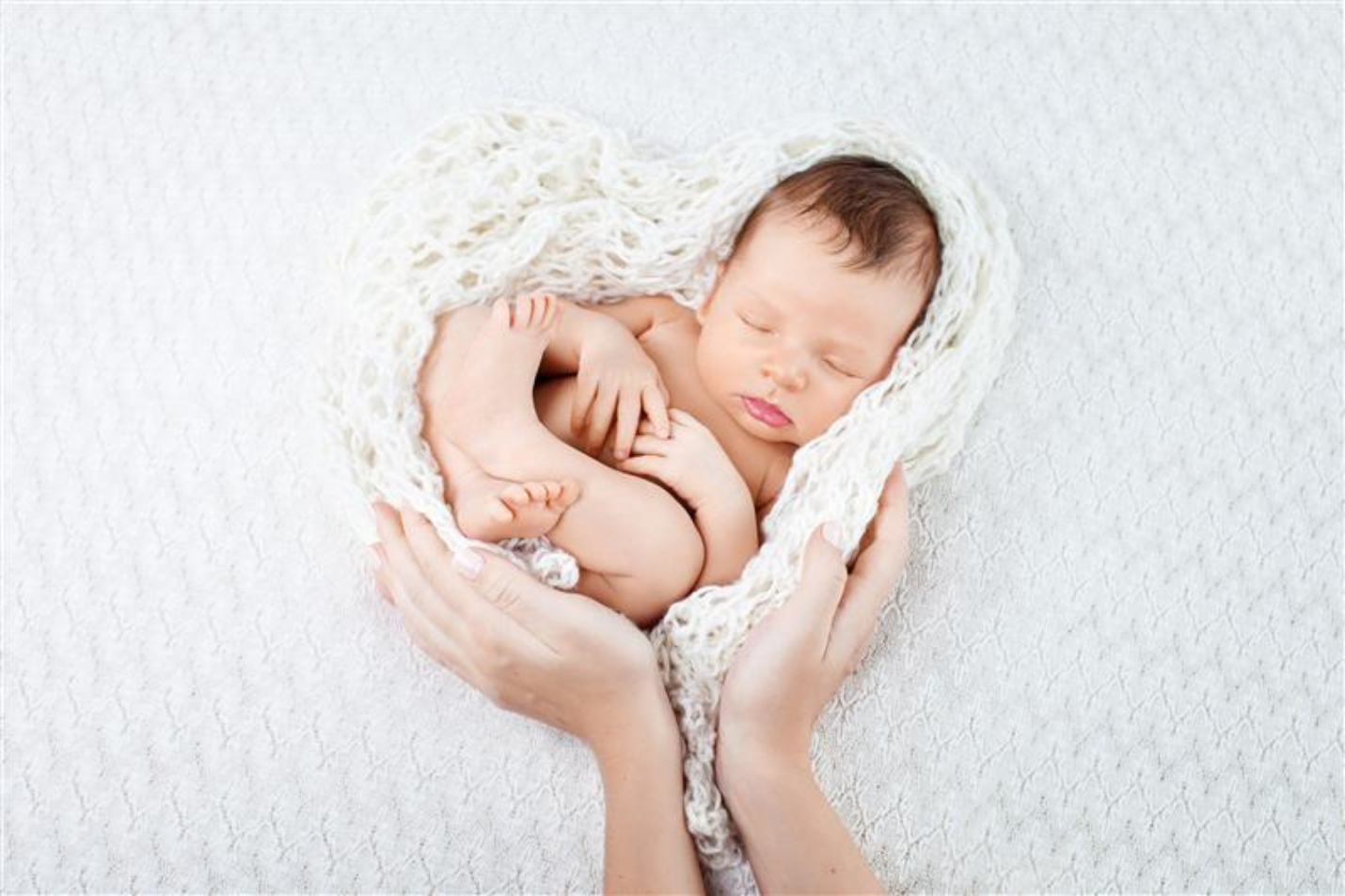
Visitors, Kisses and Cuddles: The Hygiene Rulebook for Newborns
For every new mom, everyone wants to hold, kiss, and cuddle with the baby. It’s your duty to make sure they do so on your instructions. We know you don’t want to sound rude. But you don’t want your tiny self to catch unnecessary infections, do you?
That’s where you should bring in the hygiene rulebook. Nothing major, just simple instructions on who can visit, how to hold, and what’s okay with kisses and cuddles. This way, your baby will get all the love, not the germs.
Why Hygiene Matters for Newborns
Newborns can only fight with your willingness to take a peaceful sleep, not infections. Their immune system is still building, which makes it any touch a big deal for them. What’s a minor unwashed hand or a cough can even turn out deadly for the baby, like
- Respiratory infections
- Cold sores
- Stomach bugs
- Skin infections
Therefore, make sure you have baby care tips decided already before someone picks them up to cuddle. The goal is to reduce risk while still allowing your baby to receive affection and connection.
Rule 1: Allow Visitors Under Conditions
Grandparents, relatives, friends, neighbours, colleagues, everyone comes home to visit the newborn. After all, they deserve all the attention. However, the trick is to control how they interact.
Send a message in advance so expectations are clear, or tell them the first thing they enter. Here’s what you need to be cautious of:
- No one visits if they’re even slightly sick. Be it a sore throat, runny nose, cough, fever, or cold.
- Mandatory hand-washing on arrival, not just sanitizing. Choose typical soap and water and tell them to rub their hands for at least 20 seconds. Use a baby care soap that is soft, effective, and easy to use frequently.
- Allow no shoes in the baby’s space. Shoes bring in dirt, bacteria, and viruses from outside. For extra protection, request them to take off their shoes before they enter the home.
- Do not allow people to cluster around the baby. Follow fewer people at a time policy. This will ensure less noise and fewer germs.
- Ensure that the visit is short. 30 minutes are usually enough in the early weeks.
- No strong perfume or deodorant near the baby, as it can irritate their nose and skin.
- This may sound rude, but only allow clean, well-dried clothes to come in contact with the baby. Even the third-hand germs are harmful to babies.
These might feel strict, but they are among the most important baby care tips in the newborn phase. Once you set them, everyone adjusts.
Rule 2: Dos and Don’ts for Kisses
You’ll see many exciting faces that are dying to kiss the baby. Of course, they’re lovely! But, kisses can transmit viruses directly to your baby’s face and near their mouth, nose, and eyes. Accordingly, keep these dos and don’ts in your mind before letting anyone kiss.
- Do not kiss the baby for the first 6-8 weeks, including the parents.
- No kisses on the baby’s face or lips.
- Do not kiss the baby’s hand as they suck them often.
- Do not allow anyone with cold sores or cracked lips to kiss the baby.
- Only allow kisses on the top or back of the head over a clean cloth.
It might get awkward, but a simple ‘we’re not doing lisses for health reasons’ works well and delivers the message politely.
Rule 3: Cuddle Restrictions
Cuddling is cute and important for bonding. You don’t need to ban it. However, you do need to make it feel safer for the baby. Just take care of a few things while your baby cuddles.
- Even if someone has already washed their hands, ask them to wash again or sanitize before touching the baby.
- Alcohol based sanitizer is fine for adults, but not for the baby’s skin. Stick to ‘no alcohol’ for them. You need something extra-gentle for baby’s skin, for which HOCL-based sanitizing sprays are a nice option. Unlike alcohol, they’re generally harmless, safe, and effective.
- No burying faces into the baby’s neck or cheeks.
- No breathing right into the baby’s mouth.
- If someone’s been outside or commuting, ask them to clean up thoroughly and change before holding the baby.
- Hold the baby gently by supporting their head and neck.
- Do not shake the baby playfully.
Baby Care Products List to Maintain Safety
The market offers you countless baby care products, but you don’t need to get them all blindly. A good hygiene setup doesn’t need to be complicated or expensive, but intentional.
Here’s a practical newborn baby care products list to maintain safety and hygiene:
- For Bathing
Keep baths short and quick. Also, don’t scrub; newborn skin doesn’t need heavy cleansing. Ensure that you’re using:
- Mild, fragrance-free Baby Care Soap or baby body wash
- Soft towels or cotton squares
- A small, dedicated baby bathtub or clean basin
- For Hands
Imagine you’re in a public place with the baby. In any such similar situation, look at HOCL sanitization products. They’re typically alcohol-free, gentle, effective, and fit well into modern baby care products.
- Wash gently. Do not over-dry.
- Alcohol-based hand sanitizer for adults only
- Keep separate hand towels or disposable paper towels in the visitor bathroom
- For Diaper Area
Clean front to back using gentle pressure. Additionally, allow the skin to air-dry for a few moments. Use:
- Unscented wipes
- Cotton pads with lukewarm water
- HOCL spray for diaper rashes
- Diaper rash cream
- For Surfaces
There’s no need to wipe every inch of your home daily. However, it is essential to wash items that touch the baby.
- Baby-safe laundry detergent
- Wipe off the crib, sheets, swaddles, towels, and burp cloths with HOCL as it effectively kills all germs.
- Surface disinfectant for non-baby-contact areas like floors, countertops
- For Outings
You don’t need to pack heavy bags for the baby while going out, just a few basics that will keep you covered.
- Extra clothes for the baby and you
- Travel wipes
- A light piece of cloth to cover surfaces that touch the baby
- A HOCL disinfectant spray
- For Skin
Have you ever noticed tiny red or white bumps on a baby’s cheeks, forehead, or chin? The possible causes are harmful baby care products or over-cleaning that breaks the healthy skin barrier, too. Here’s how to handle baby acne self-care:
- Rinse the face once a day with lukewarm water
- Use a very mild Baby Care Soap
- Pat dry gently; don’t rub
- No adult acne creams, no scrubs, no strong oils
- Avoid alcohol or strong antiseptic lotion
When to Contact A Doctor?
While you mark the checklist of the baby’s hygiene health, there might be some signs that you need to contact the doctor, such as:
- Rash spreading quickly or doesn’t improve in 2–3 days
- Blisters, open sores, oozing, or yellow crusting
- Diaper rash that bleeds
- Red bumps beyond the diaper area
- Severe dryness that doesn’t improve with gentle moisturizers
- Sudden yellowing of skin or eyes
- Baby seems uncomfortable, cries when skin is touched, or behavior feels off